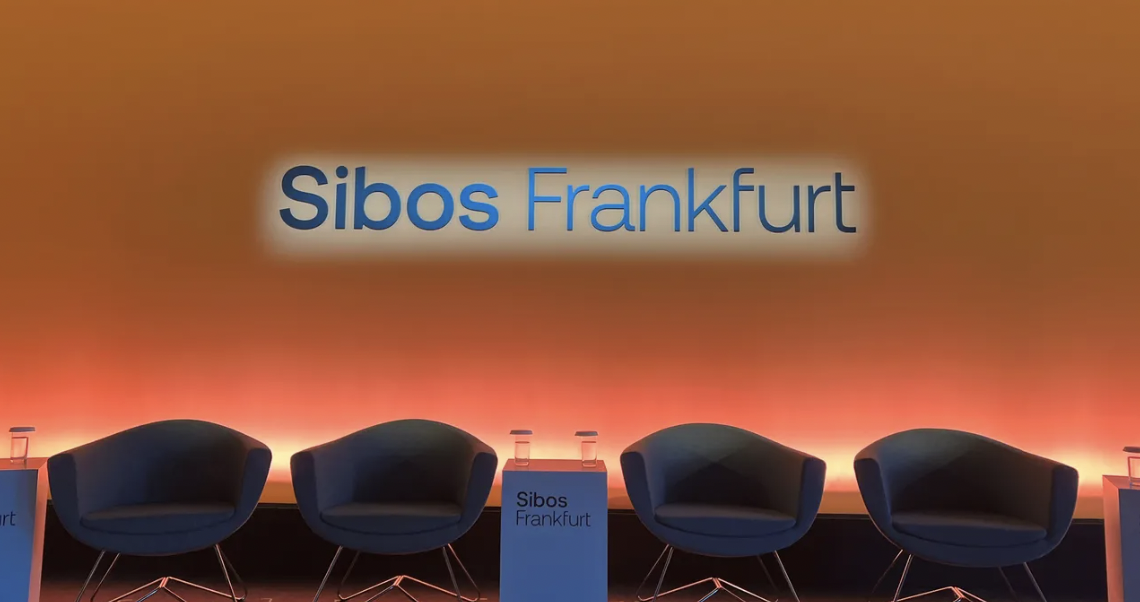
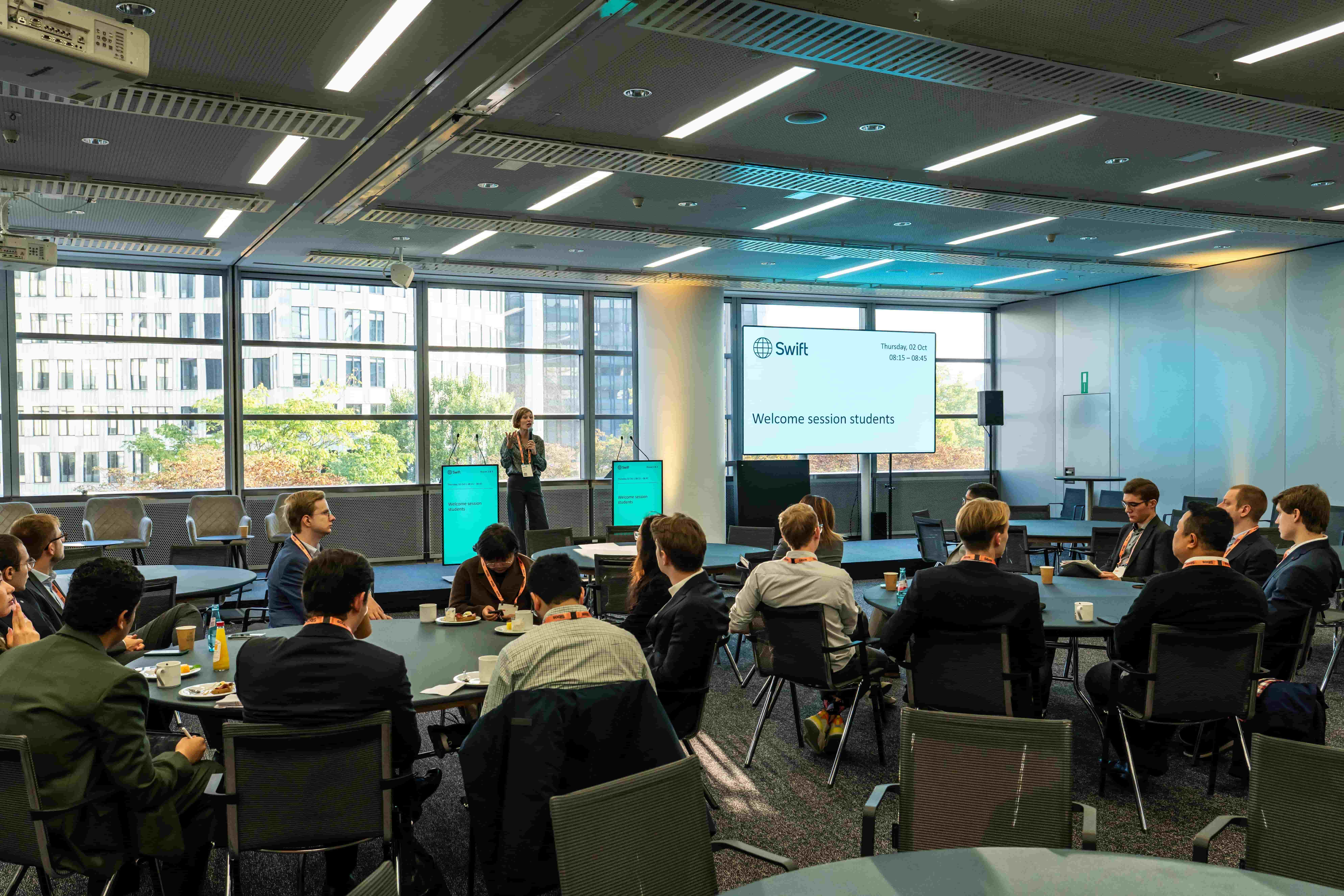
Earlier this October, I had the privilege of attending Sibos 2025, one of the financial services industry’s most anticipated conferences. As I walked through the venue, surrounded by global banking leaders, fintech innovators, and policymakers, I couldn’t help but reflect on the journey that brought me there. This wasn’t an opportunity that fell into my lap; rather, I made it happen for myself, and I want to share both the experience and the lessons I derived from it.
The Power of Taking Initiative
Here's the truth I believe every student needs to hear: the best opportunities rarely come to those who wait. They come to those who actively seek them out, research them, and build a compelling case for why they should partake in them
While on exchange, I learned about the Sibos conference through my own research into major financial services events. I knew attending would be invaluable for my professional development, and had been keen to spend some time in Germany while studying abroad. So, I took action. I reached out to the Telfer School of Management at the University of Ottawa with a detailed funding proposal, outlining why this conference mattered, what I hoped to learn, and how I would bring value back to my academic community.
The result? Isabelle Décarie and Matt Archibald saw the merit in my initiative and helped make it possible. Yet, without taking that first step, it never would’ve happened.
Key Insights from Sibos 2025
The conference itself exceeded every expectation I had. Here are the moments and insights that stood out:
Swift’s Blockchain Revolution
The event opened with a major announcement from Swift’s CEO Javier Perez-Tasso: a blockchain-based shared ledger with over 30 participating banks. This isn't just incremental innovation; it's a fundamental reimagining of cross-border payments, enabling instant, 24/7 transactions. The message was clear: blockchain has moved from the margins to the mainstream of global finance.
The Digital Assets Framework Debate
One of the most thought-provoking sessions was a “Big Issue Debate” on ethics, trust, and control in our new financial order. The panel brought together several impressive perspectives:
Sergey Nazarov from Chainlink highlighted Swift’s unique position in the blockchain ecosystem, explaining how their extensive private key infrastructure could be leveraged for blockchain validation through cryptography.
Tobias Adrian from the International Monetary Fund (IMF) discussed the essential pillars for building resilient systems in an increasingly decentralized financial world.
Sarah Hammer from Charles Schwab, who has testified before U.S. hearings on digital assets, broke down the critical components of a regulatory framework: stablecoin oversight, digital asset taxonomy, and robust anti-money laundering protocols.
Erica Kostelijk from ABN AMRO Bank explored the implications of digital currencies on consumer choice and trust, while Sopnendu Mohanty from the Global Finance & Technology Network (GFTN) painted a compelling picture of how AI is driving front-end consumer experiences while tokenization is optimizing backend market structures.
Agentic AI: The Next Frontier in Banking
Dimitris Litsikakis led a captivating discussion on agentic AI in banking, exploring how autonomous AI agents could transform financial services. Some of his key insights were the following:
Practical applications like fraud detection are gaining traction
Three layers of accountability are essential: vendor accountability (with full traceability of agent reasoning), bank accountability (with clear escalation processes), and regulatory accountability
While there's extensive theoretical discussion around AI use cases, practical deployments remain limited (which he referred to as the “innovation gap”)
The conversation raised an important question: Are banks holding back due to their regulatory responsibilities and risk aversion, or are they simply being cautious? The consensus was that banks must engage with AI and agentic AI to remain competitive, while staying cognizant of their critical role in financial stability.
One myth Litsikakis firmly debunked: agentic AI isn’t here to replace humans or eliminate jobs. Instead, it's enabling bank employees to move from routine transactions to more valuable interactions and meaningful work. He also used legal teams as an example (which I found particularly relevant), showcasing how they can leverage AI agents to handle bulk preparation work, freeing them for higher-level strategic thinking.
Leadership Lessons from Unexpected Sources
The futurist Gerd Leonhard delivered a powerful message that resonated throughout the day: “AI is our ultimate test: collaborate or perish.” He framed this moment in time as a “purpose revolution,” urging the financial sector to think beyond technology and consider the human implications of every innovation.
The closing plenary with Jürgen Klopp, one of soccer’s (also referred to as “football”) most respected leaders, brought everything full circle. His insights on authentic leadership and resilience weren’t just inspirational; they were directly applicable to navigating today's dynamic business environment. The lessons he learnt on the field, such as building trust, maintaining composure under pressure, and bringing out the best in your team, translate seamlessly to the challenges facing financial services leaders today.
The Real Opportunity: Taking Action
As I reflect on my conference experience, I’m struck by how much I gained not just from the sessions themselves, but from the conversations in between, the networking opportunities, and simply being in a space where the future of finance was being actively shaped.
Again, this experience was available to me solely because I chose to pursue it. I didn't wait for someone to offer me a ticket to Sibos. I researched opportunities, identified what would be valuable for my development, and built a case for why I should be there.
How to Create Your Own Opportunities
If you’re a student wondering how to access similar experiences, here’s my advice: start by doing your homework. Follow industry publications and identify valuable conferences in your field of interest. When you approach faculty, career services, or alumni for support, don’t just ask for funding. Explain specifically why this matters for your growth, what you’ll gain, and how you’ll give back to your institution. The worst anyone can say is no, and you might be surprised how many people want to help ambitious students. Just make sure you follow through on your commitments by sharing your insights, connecting with your peers, or even just updating those who supported you throughout.
Let's Connect
If you’re a student interested in learning more about how I researched and identified opportunities like Sibos, or if you want to discuss the insights from the conference in more detail, please don’t hesitate to reach out. I’m always happy to chat about professional development strategies or how to make the most of your time at university.
An immense thank you to the Telfer School of Management at the University of Ottawa, particularly Isabelle Décarie and Matt Archibald, for believing in my initiative and making this experience possible.
Lastly, thank you to Swift for providing photos from the event.